Bio Pappel
A Legacy of Impact
Our history is defined by innovation, environmental commitment, and a business model that drives responsible growth.
For over 35 years, we have been transforming the paper industry with sustainable solutions that create a lasting, positive impact on the environment.

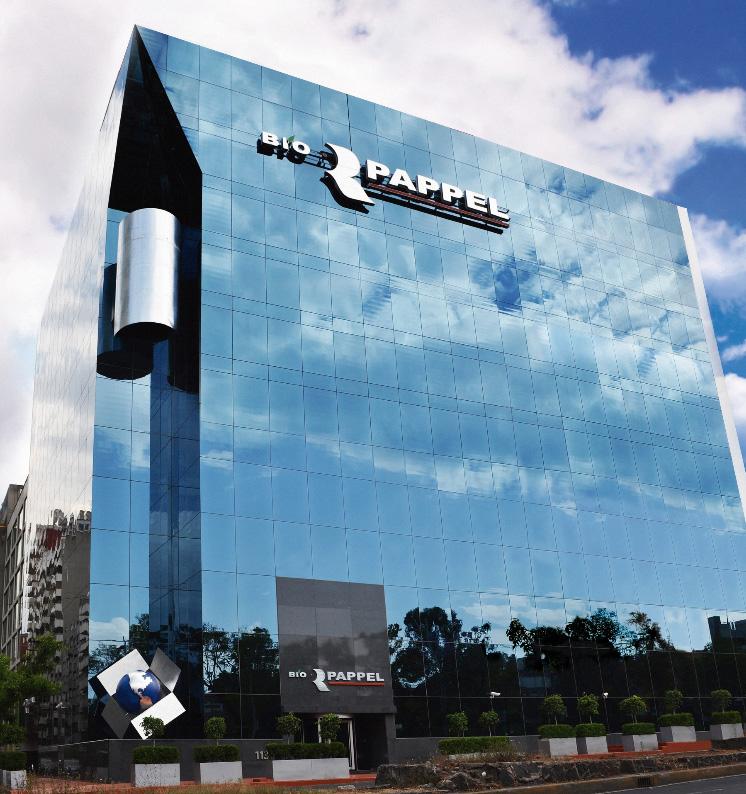
Our history
From a small sawmill to a global leader in sustainability
Bio Pappel’s history began in the 1980s in Durango, Mexico, with a small sawmill that soon transformed its vision to embrace a sustainable business model. Over time, Bio Pappel has evolved into one of the most relevant paper groups in North America, integrating operations across Mexico, the United States, and Canada. Our journey is defined by innovation, environmental commitment, and a business model that drives responsible growth.
1900
1994

The company is listed on the New York Stock Exchange
1900
1997

Acquisition of the McKinley Paper plant in New Mexico, United States
1900
1998
PIPSA
Acquisition of PIPSA (Productora e Importadora de Papel, S.A.)
1900
2006
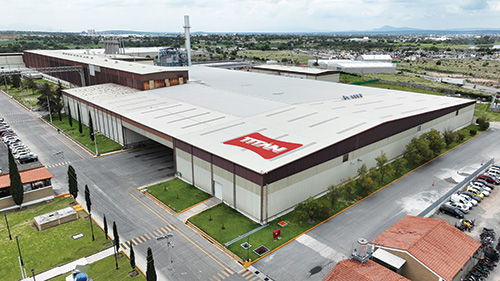
Acquisition of the Tizayuca paper and packaging plant
1900
2006-2010

Launch of the technological transformation with an investment of over US $1 billion
1900
2012

Bio Pappel reaches US $1 billion in revenue.
1900
2015

Acquisition of Scribe
1900
2017
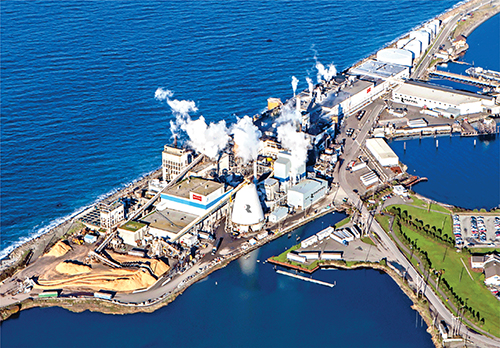
Acquisition of the paper plant in Washington, U.S.
1900
2019

Acquisition of US Corrugated packaging plants
1900
2020
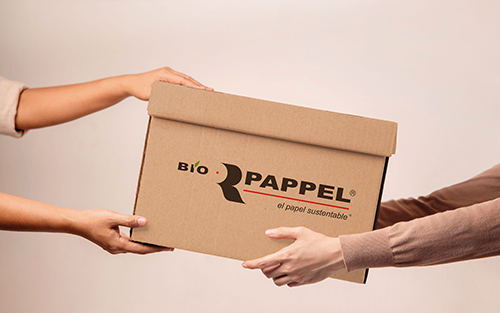
Sustainable paper and paper products have become essential goods due to their critical role in the value chains of nearly every industry.
1900
2021

Delisting from the Mexican Stock Exchange (BMV by its initials in spanish) with 100% share control
1900
2022
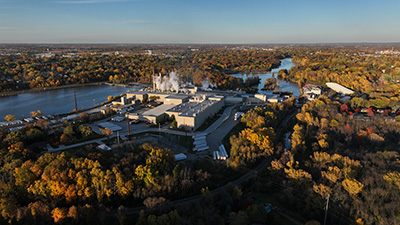
Acquisition of the Midwest Paper paper plant in Wisconsin, U.S.
1900
2022

Joins the Science Based Targets Initiative (SBTi)
1900
2023
Bio Pappel reaches US $3 billion in sales.
1900
2024

Receives a AAA National Scale and BBB+ Global Scale Credit Rating from HR Ratings
1900
2024
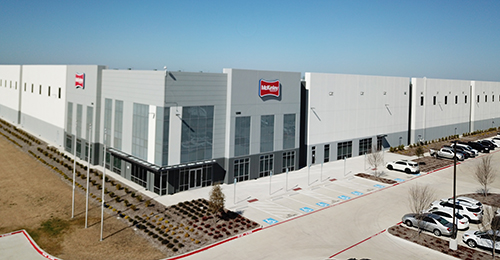
Opening of the state-of-the-art industrial complex in Dallas, Texas.
Our people
People Driving Transformation
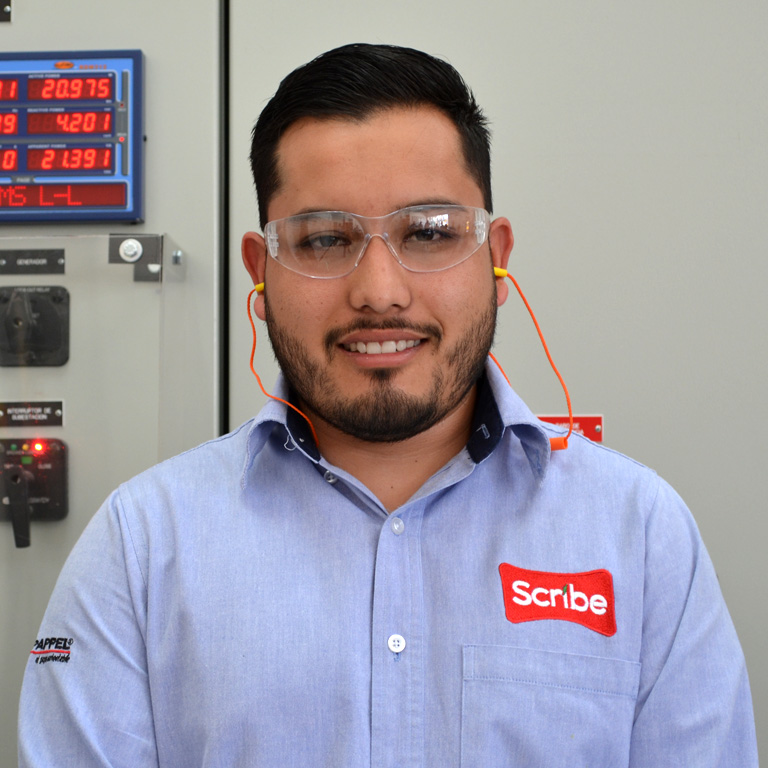
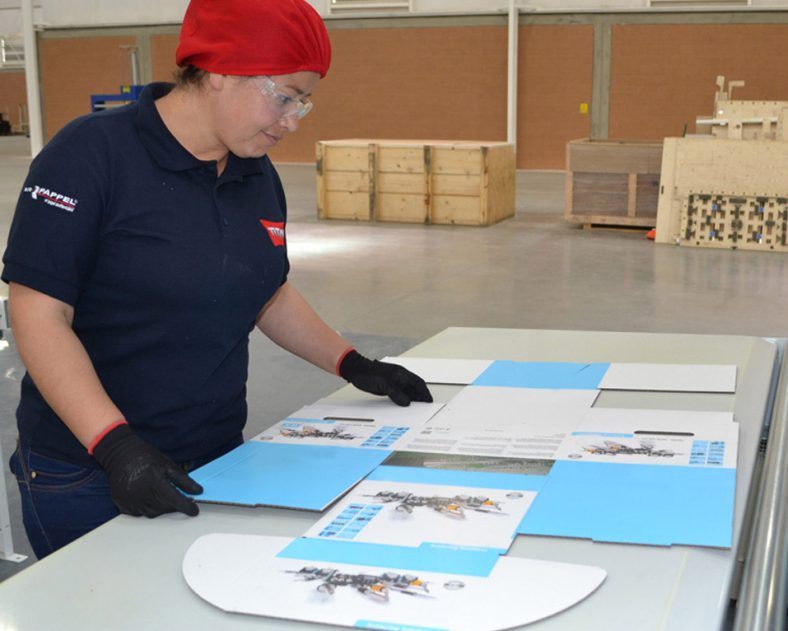
Bio Pappel’s success is built every day through the dedication, expertise, and commitment of its operational teams, leaders, unions, board members, and shareholders. Each of them is part of an organizational culture that promotes shared value, industrial excellence, and environmental stewardship as core principles.
The company recognizes that its greatest asset is its people. For this reason, it invests in their development, well-being, and continuous training, creating opportunities for professional growth and fostering a respectful, inclusive, and collaborative work environment.
Human impact
direct jobs
0
indirect jobs
0

Bio Pappel Institute
Learning to grow personally and professionally
The Bio Pappel Institute serves as the company’s internal training platform, driving the development of technical, human, and organizational competencies at all levels. We achieve this through a combination of in-person and digital courses, ensuring that all our team members have access to the knowledge they need for both professional and personal growth.
- 156,367 training hours delivered in the last year
- Content aligned with the company’s goals and the interests of our people
- Accessible methodologies tailored to diverse profiles
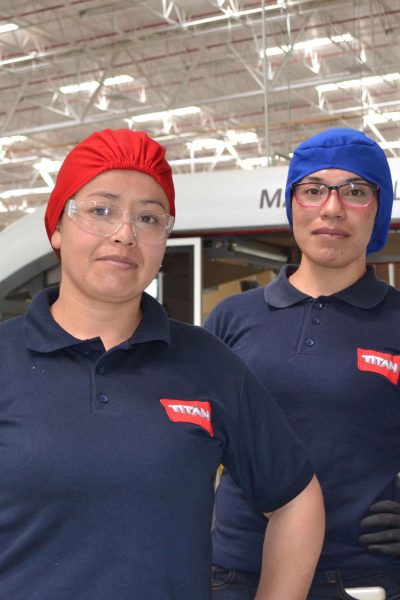


Work-life balance
An inclusive and equitable culture
At Bio Pappel, we are committed to creating a work environment where everyone has the opportunity to reach their full potential. Through policies that promote inclusion, accessibility, and gender equity, we build diverse teams that strengthen our operations and drive our vision for the future.
Core Pillars of Our Organizational Culture:
- Equitable distribution of responsibilities between men and women
- Elimination of gender roles and stereotypes in the workplace
- Inclusion of people with disabilities in all areas of the organization
- Development of a culture of accessibility to ensure equal opportunities
Comprehensive Safety and Occupational Health
Prevention and response for a safe environment
At Bio Pappel, we are committed to the safety and health of our personnel. That is why we foster a safety culture by implementing prevention protocols that create safe and efficient conditions throughout all our processes.